How Long Do Eyebrow Tattoos Last?
Let’s be honest — if you’ve ever stood in front of the mirror filling in sparse spots, wrangling bushy brows, or mourning eyebrow loss, you already get the appeal of tattooed eyebrows. And you’re not alone. Cosmetic tattooing — from soft powder brows to ultra-natural microblading — has become a top beauty trend for good reason.
At Cosmetic Tattoo Melbourne Studio Face Figurati, we see clients every week who want beautiful brows that don’t sweat off by 3pm. Whether you’re considering microblading, ombré shading, or something in between, understanding how long an eyebrow tattoo lasts — and what affects that timeline — is key to realistic results.
As someone who’s corrected bad brows, mismatched pigment colours, and poorly placed tattoo ink more times than I can count, I’m here to break down what makes brow tattoos last (and what makes them fade faster than your brow wax appointment grows out).
Key Influencing Factors
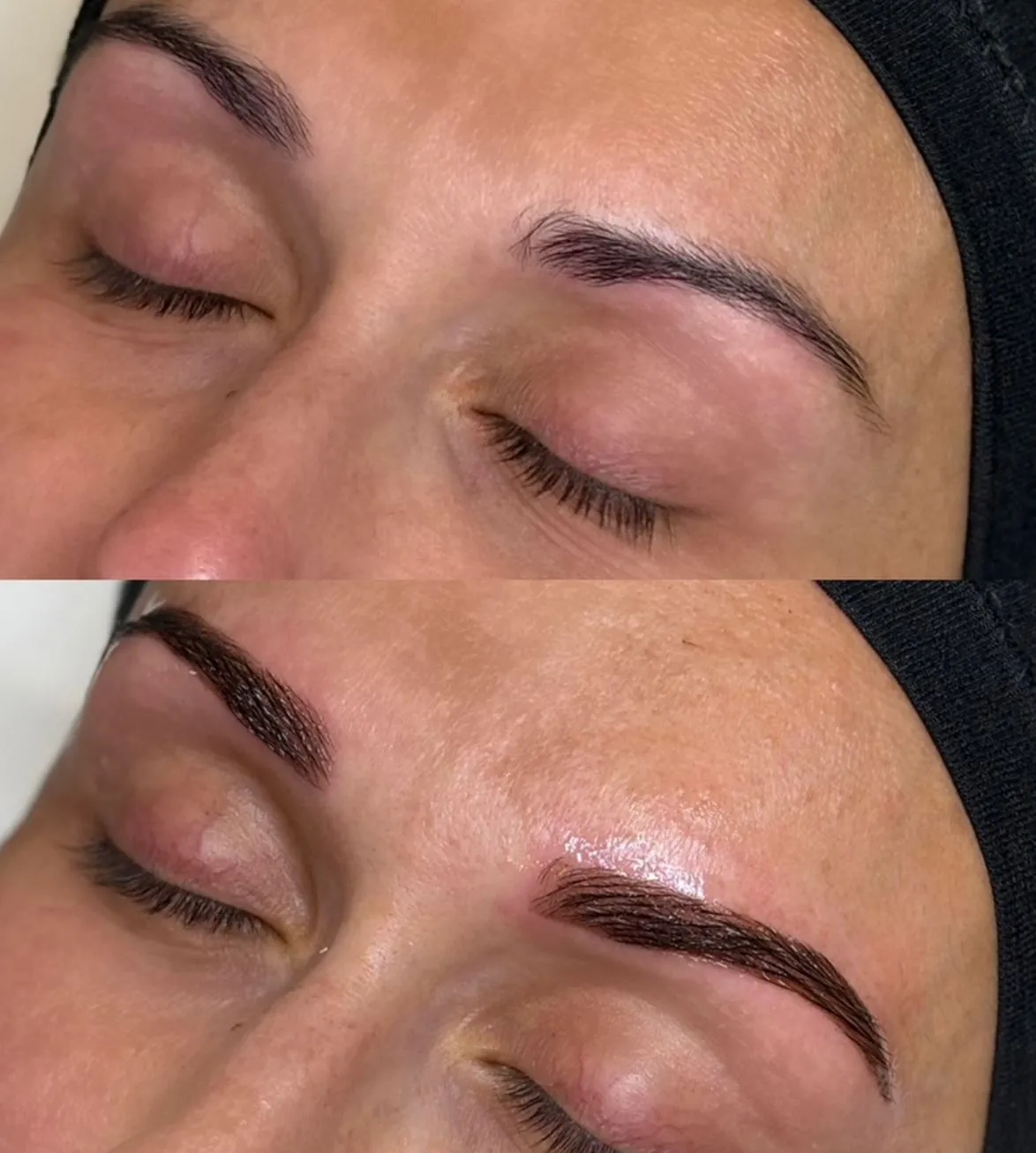
Your skin isn’t a static surface like paper or plastic. It’s made of upper layers that constantly renew, flush pigment, and respond to everything from hormones to your skincare routine. Because eyebrow tattooing only deposits pigment into the upper dermis (not the deeper layers like traditional tattoos), it’s semi-permanent by design.
With proper care and regular touch-ups, most brow tattoos last 1 to 3 years. But results can vary depending on your facial features, lifestyle, and the technique chosen.
Key Factors That Affect Longevity:
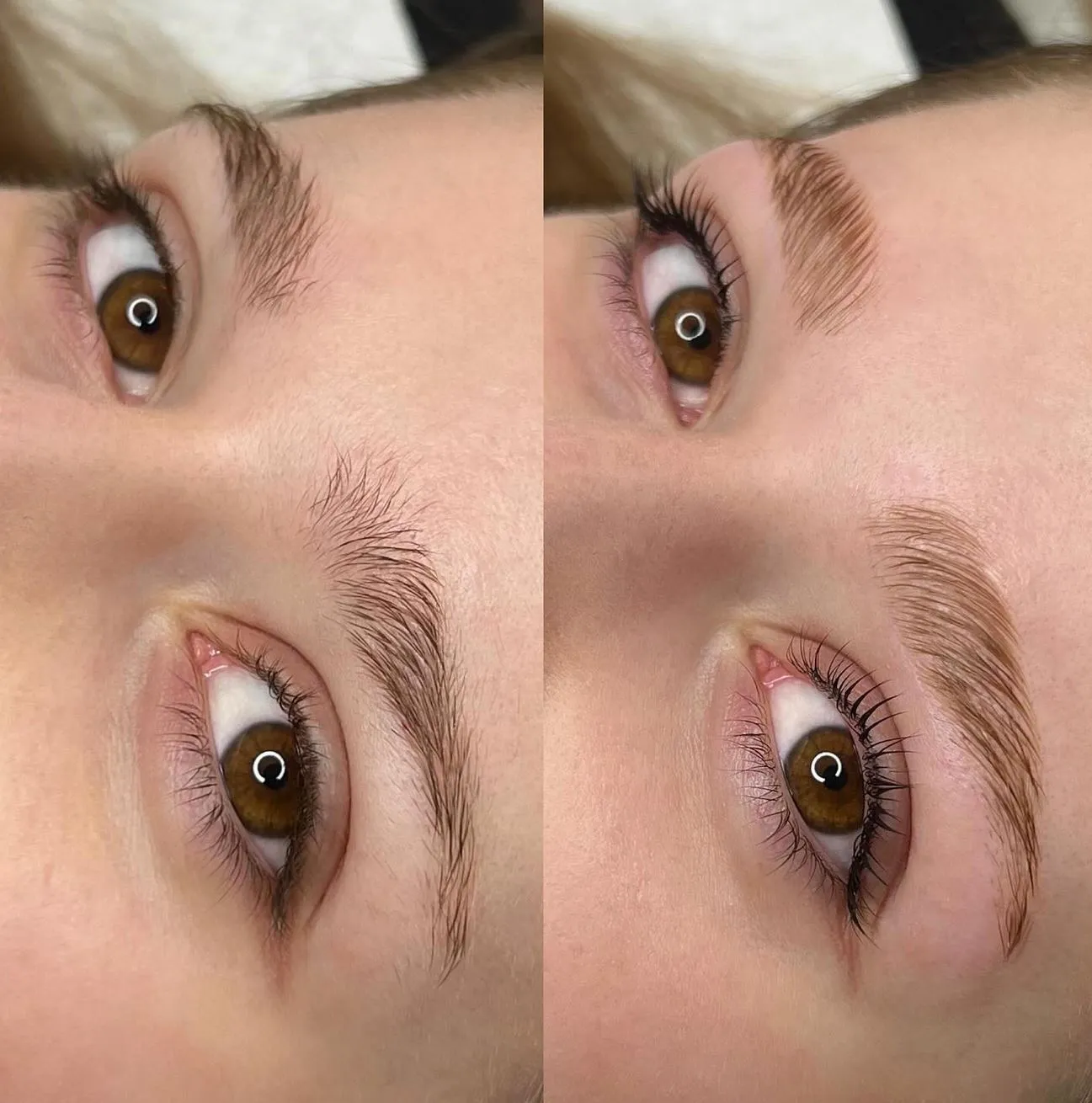
1. Tattoo Technique
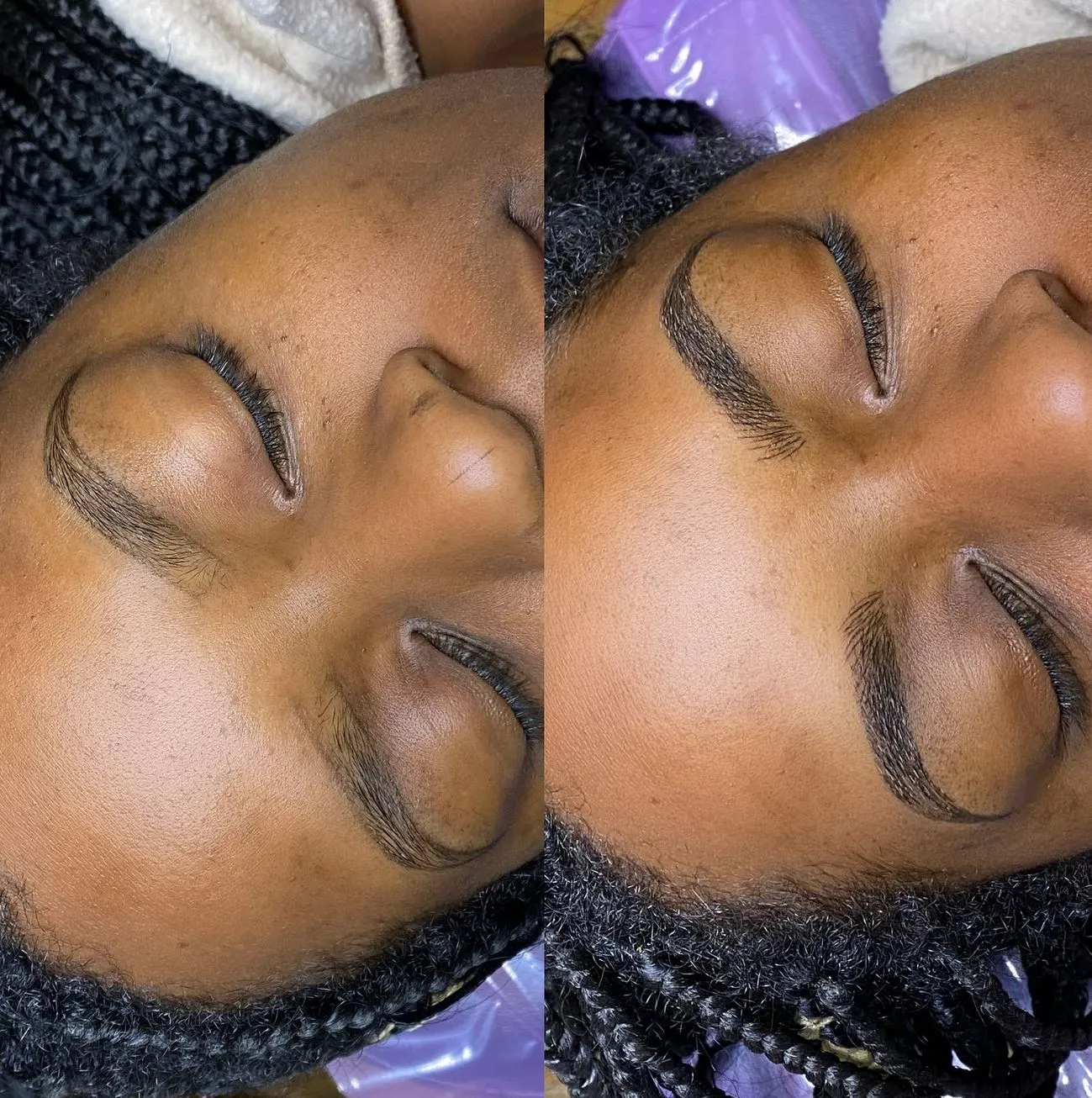
- Microblading: Uses a hand tool to create hair-like strokes. Suits dry or combination skin, but prone to faster fading on oilier skin.
- Powder/Ombré Brows: Mimics brow powder makeup using a tattoo machine. Best for mature skin, sensitive skin, and oily types.
- Combo Brows: A blend of both. Works for those who want real hair texture plus soft definition.
2. Skin Type
- Dry skin tends to hold pigment longer and fade more evenly.
- Oily skin can blur strokes, leading to pigment loss.
- Combination skin? You’ll need an experienced technician to tailor the method.
3. Proper Aftercare & Healing
- Healing skin is sensitive to lymphatic fluids, facial movement, and skincare products.
- Follow aftercare instructions to avoid pigment loss and the risk of infection.
- Harsh products, excessive sun exposure, and chemical treatments = faster fading.
4. Artist Skill & Pigment Choice
- Experienced artists understand brow shapes, facial structure, and natural features.
- A qualified technician will use stable pigments that fade true to tone, not red, blue or grey.
5. Lifestyle Factors
- Regular exfoliation, sun exposure, or intense exercise can reduce longevity.
- Your skincare routine (think retinols or AHAs) can also impact pigment retention.
Tattoo Longevity by Technique
| Technique | Appearance | Longevity (Average) | Best For |
|---|---|---|---|
| Microblading | Hair-like strokes | 12–18 months | Dry skin, sparse natural eyebrows |
| Powder Brows | Soft makeup finish | 2–3 years | All skin types, including mature skin |
| Combo Brows | Natural + defined blend | 18–30 months | Combination skin, patchy natural brows |
| Nano Brows | Ultra-fine machine strokes | 2–3 years | Sensitive skin and oily skin types |
Real Talk: When Eyebrow Tattoos Fade
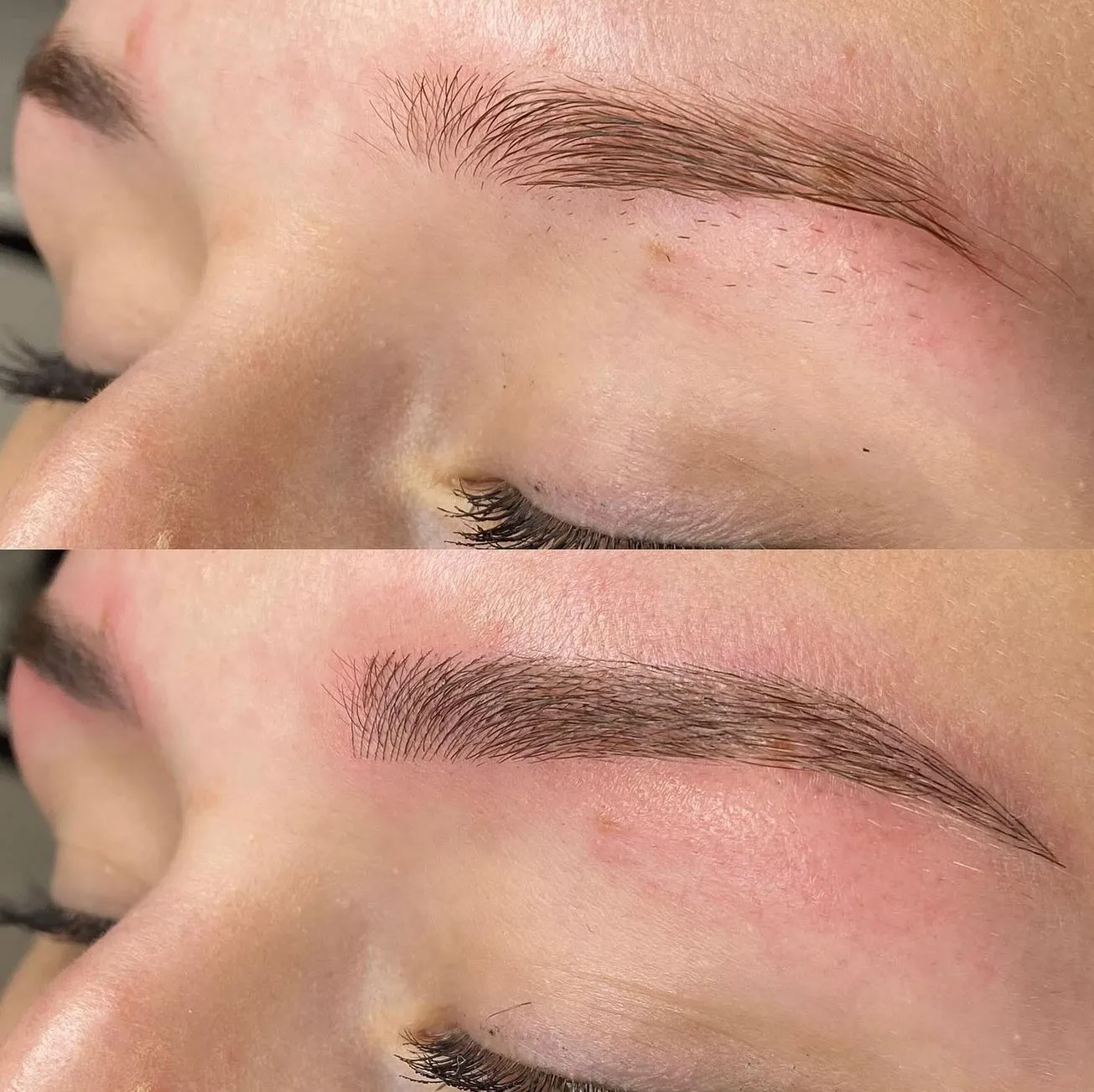
Tattooed brows don’t just vanish overnight. But around the 12-month mark, you might notice your perfect brow looking… less perfect.
Common Signs of Fading:
- Loss of brow colour intensity
- Patchiness or blurring (especially with microblading)
- Shape softening
- Tails disappearing (common with faster fading)
What Can Cause This:
- Sun exposure without SPF
- Incorrect pigment colour for your undertones
- Poor aftercare routine or skipping proper care
- Using brow products, exfoliants, or retinoids on healing skin
Fixing or Refreshing:
- Touch-up sessions: Needed 6–12 weeks after the initial procedure.
- Annual touch-ups: Keep pigment fresh and the shape crisp.
- Corrections: Required when bad brows need a new shape or previous pigment turns cool/warm.
What You Can Do
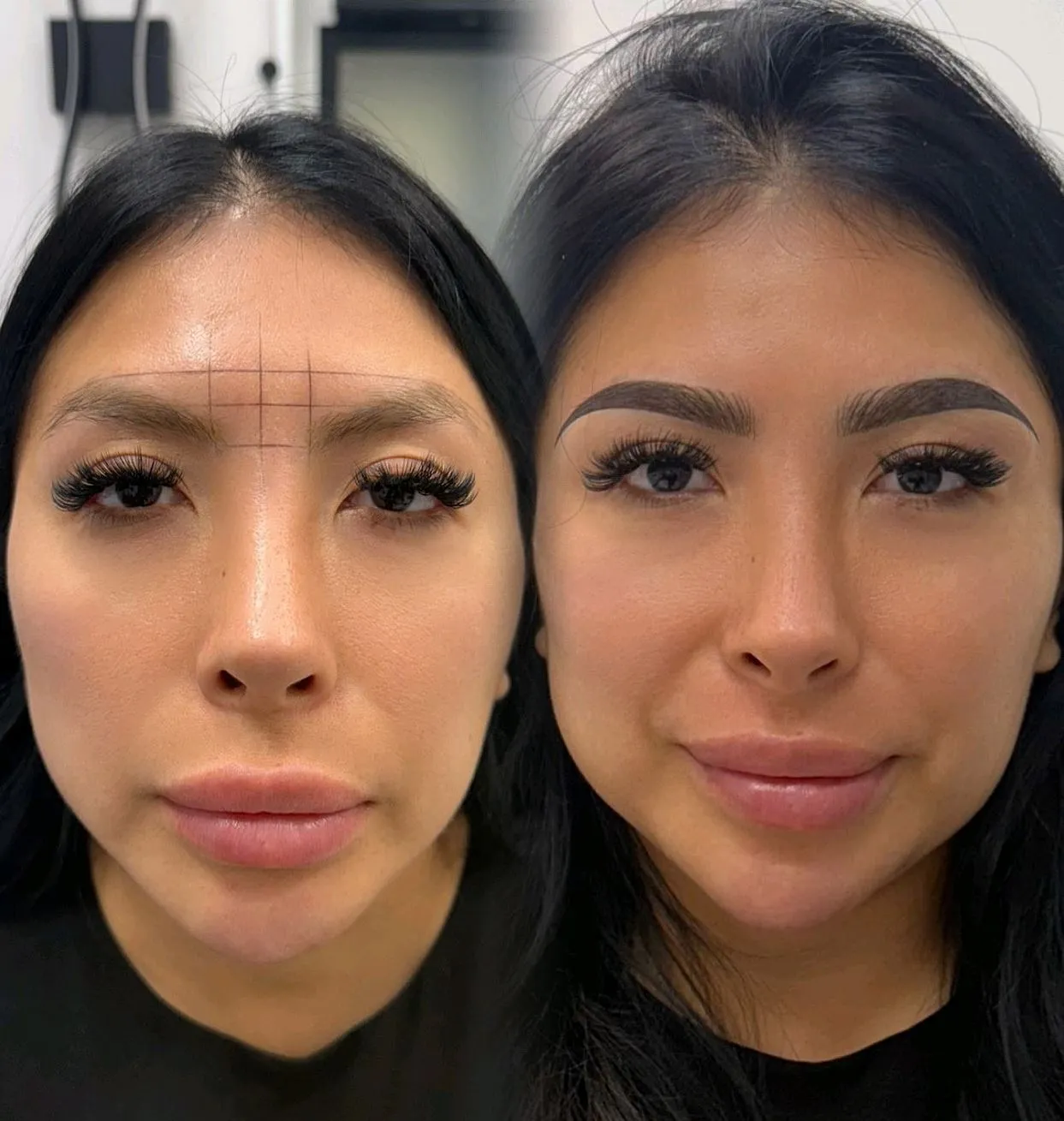
From your initial visit to your skincare routine, longevity starts with choices. Here’s how to support optimal healing and reduce pigment loss.
Before Your Appointment
- Avoid caffeine, alcohol, and blood thinners (increases risk of scarring)
- Skip harsh treatments: brow wax, chemical peels, or active skincare
- Don’t book near your menstrual cycle if your pain tolerance is low
Aftercare Routine
- Gently blot with clean tissue to remove lymphatic fluids
- Use gentle cleansers only — no scrubbing
- Apply a healing balm recommended by your artist
- Keep brows dry for at least 7 days
- Avoid makeup, exercise, and sun exposure during healing
Long-Term Brow TLC
- Use SPF daily (natural brows AND tattooed ones)
- Avoid brow products with acids or exfoliants
- No brow wax or tinting until healing completes
- Stick to gentle products around the area
Debunking Myths
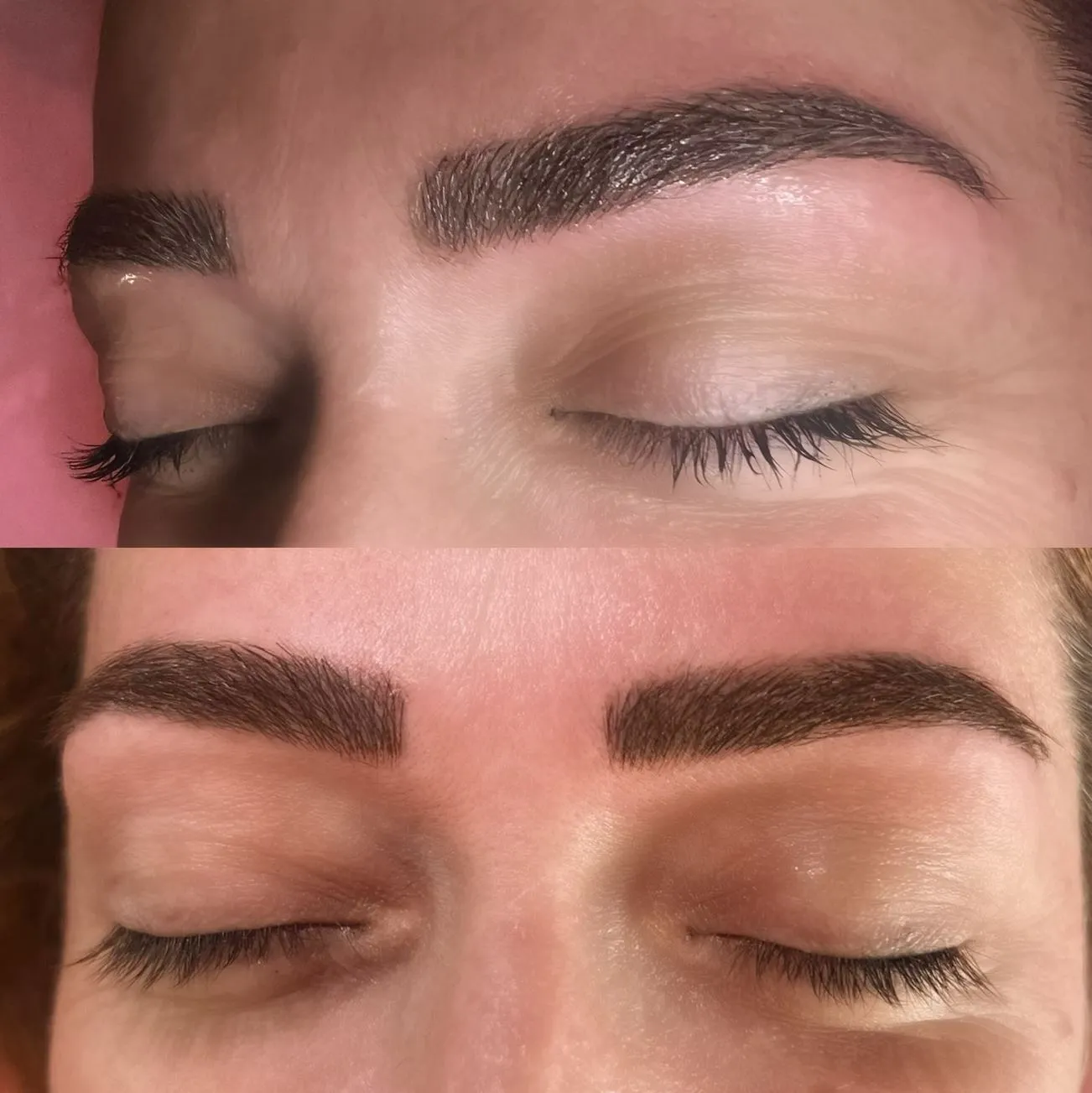
“Eyebrow tattooing is permanent.” Only traditional tattoos are considered permanent. Cosmetic tattooing is semi-permanent and designed to fade over time.
“You don’t need aftercare.” Improper aftercare leads to pigment loss and potential risks like infection.
“One session gives you perfect eyebrows forever.” Wrong. Touch-up sessions are essential for full colour and shape.
“Pain level is unbearable.” Most people describe it as mild discomfort. A reputable technician will use numbing cream and check your comfort throughout.
“Tattooed brows look fake.” Not with a skilled artist who works with your natural brow hair and ideal brow shape.
Final Thought
Eyebrow tattooing isn’t one-size-fits-all, and it isn’t supposed to be forever. With proper care, expert technicians, and an understanding of your own skin sensitivities, you can enjoy beautiful brows that enhance your natural beauty without fuss.
Want help choosing the right technique for your natural features or brow styles? Send me a message — I’m always happy to help you find your perfect brow.
FAQ
Can eyebrow tattoos last longer than 3 years?
Yes, especially with powder brows on dry or hydrated skin. But without regular touch-ups, expect colour to fade.
What’s the key difference between microblading and powder brows?
Microblading mimics natural hairs using a blade. Powder brows use a tattoo machine for a shaded effect, which is better for oilier skin or mature skin.
Can you tattoo over existing brow tattoos?
Yes, but only if the old tattoo is faded enough. Otherwise, removal may be needed.
Is eyebrow tattooing painful?
Pain level varies. Most clients tolerate it well. Some discomfort is normal, especially around the tail.
Are there medical reasons someone shouldn’t get it?
Yes. If you’re prone to allergic reactions, keloid scarring, or taking certain medications, consult a doctor and your artist.

Related Posts
Where Is the Best Place to Fly Over the Great Barrier Reef?
What Do I Need to Start a Dermaplaning Course?