What Do I Need to Start a Dermaplaning Course?
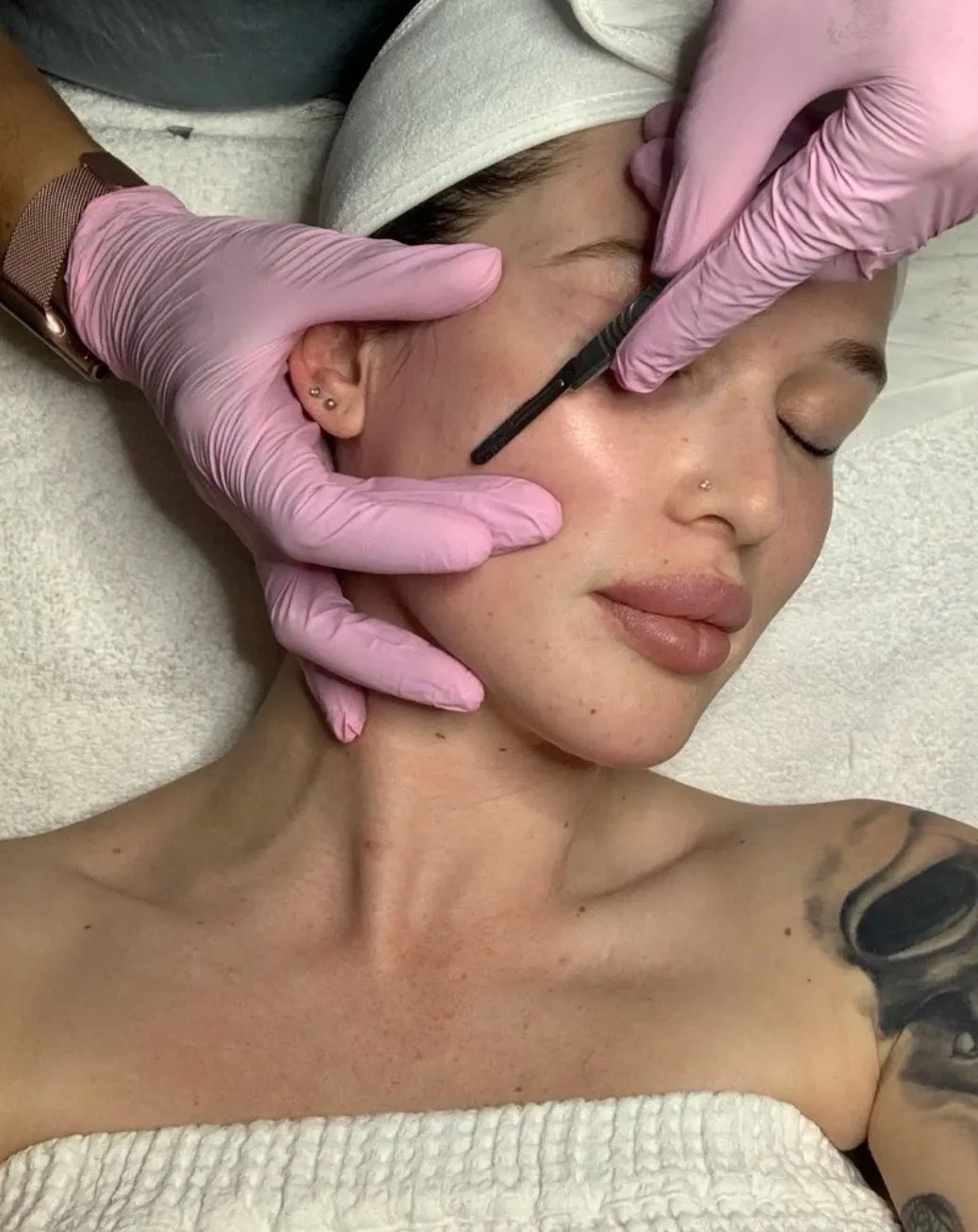
At Cosmetic Tattoo Brisbane Studio Face Figurati, we’ve seen firsthand how dermaplaning has become one of the most requested add-ons by clients chasing that radiant skin glow. Whether you’re a seasoned beauty therapist or just starting your beauty career, dermaplaning training can seriously elevate your service menu and client results.
If you’ve ever caught yourself obsessing over glassy, radiant skin on Instagram and thought, “Surely there’s more to this than filters,” you’re right. Enter: dermaplaning. It’s not just a social media trend—it’s a real, clinical skin treatment that more Aussie clients are requesting by name.
But before you jump into a course thinking it’s all facial hair removal and glowing skin, let’s talk about what you actually need to start a dermaplaning course—the gear, the skin knowledge, the client consultation tips, and how to make sure your certificate is worth more than the paper it’s printed on.
First Things First
Short answer: it depends on your state, your training provider and how you plan to offer the treatment.
In Most Australian States:
- You don’t need to be a beauty therapist to learn dermaplaning.
- You do need to follow council hygiene regulations and insurance requirements to offer the treatment professionally.
- Many reputable training centres require you to already hold a Certificate III or IV in Beauty Therapy (or at least skin science basics).
If you’re unsure, contact your local council or industry association—they’ll give you the clearest answer on what’s legal and what’s best practice.
Pro tip: Don’t be tempted by online courses that say “no experience necessary” without checking what support they offer. If they’re handing out surgical scalpel blades without teaching proper sanitation or client assessment, that’s a liability waiting to happen.
Dermaplaning training isn’t something to take lightly—especially when it comes to sharp blades and real skin. Let’s get started.
What You’ll Learn in a Quality Course
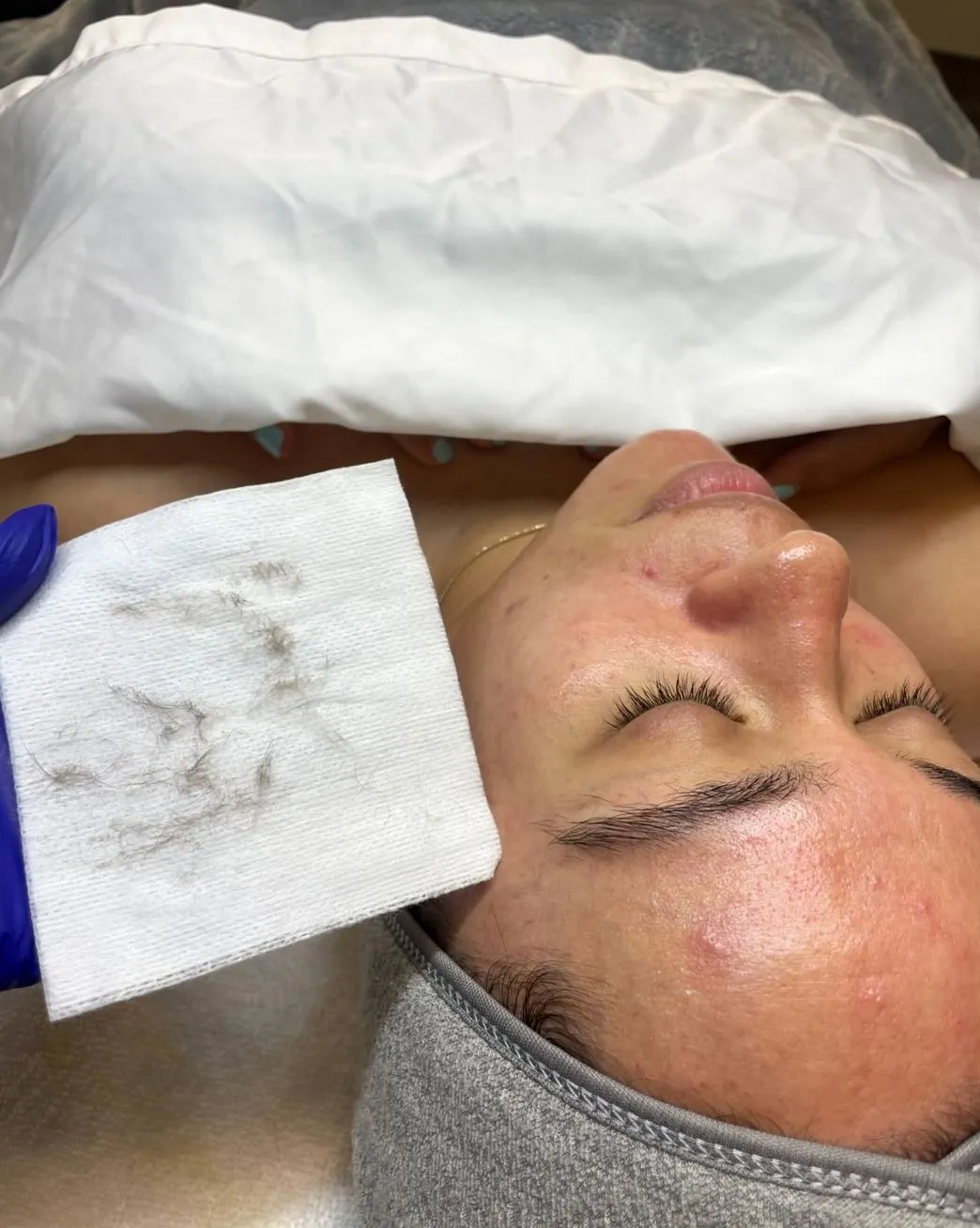
This isn’t just a fluff-and-buff facial add-on. You’re working with sharp blades across different skin types and skin layers. That means proper training is non-negotiable. A solid dermaplaning course should include:
Skin knowledge:
- Skin anatomy and physiology
- Fitzpatrick skin types and individual skin response
- Contraindications: sensitive skin, facial veins, pregnant clients
- Skin affected by acne scars or facial skincare issues
Technique:
- Blade selection and angles
- Skin tensioning and surgical scalpel handling
- Areas to avoid (facial veins or active acne)
- Facial theory and how it ties into smoother skin and a brighter complexion
Sanitation & safety:
- Sharps disposal
- Infection control procedures
- Client safety, comfort and treatment protocol adherence
Client care & consultation:
- In-depth client consultation and client care plans
- Client selection and handling client concerns
- Pre-treatment and post-treatment care
- Client trust and comfort during and after sessions
Business & progression:
- Adding dermaplaning as an advanced skincare service to your service menu
- Business strategies for skincare clinics or home salons
- Insurance on completion and how to find coverage
- Reviews for products and assessing product effectiveness
Learning resources:
- Demo videos and in-depth video tutorials
- Unlimited access to online certification modules
- Study materials and assessment materials
What Equipment You’ll Need
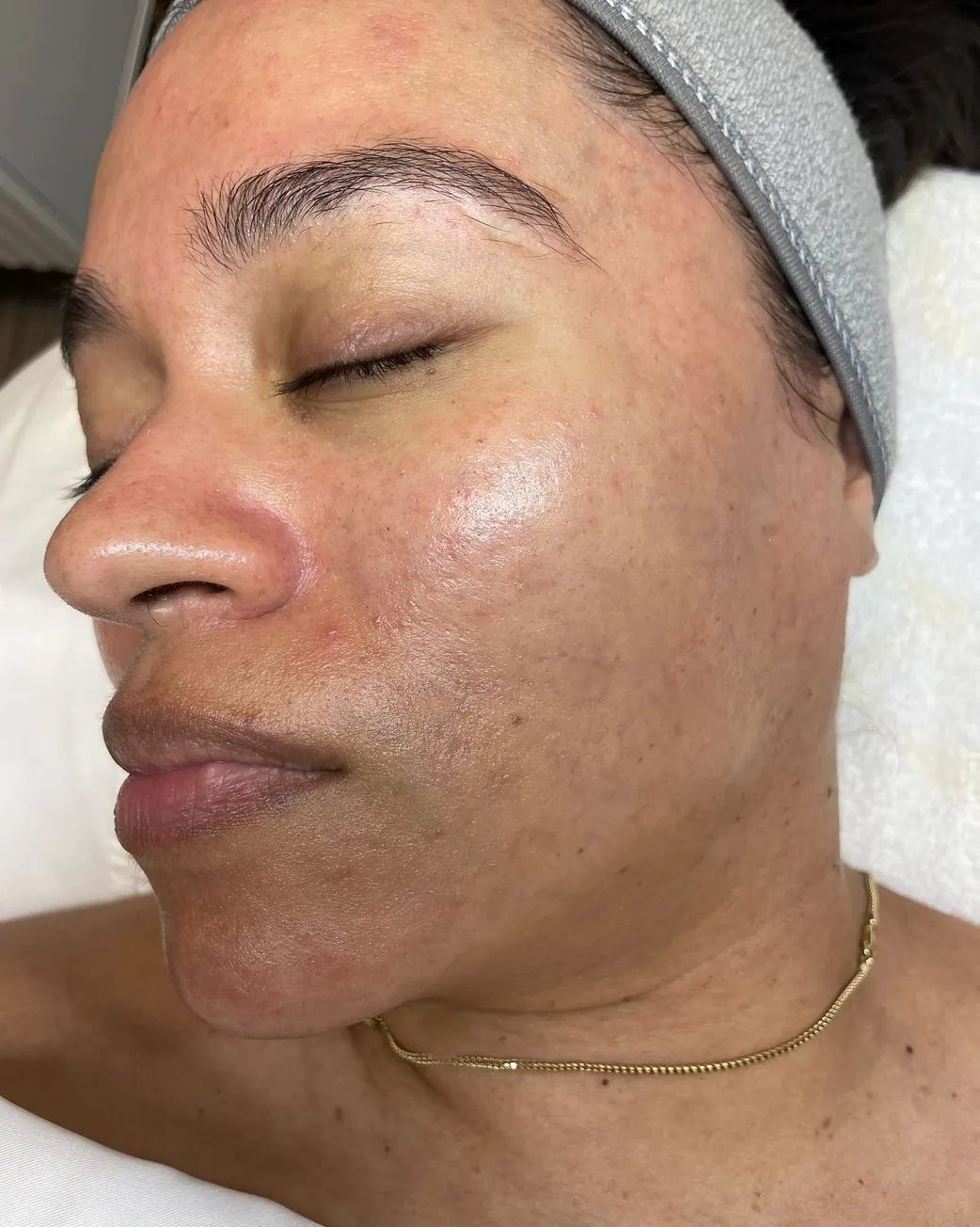
Once you’re enrolled, most comprehensive training courses will give you a starter kit—but eventually you’ll want to build your own setup. Here’s what you’ll need in your dermaplaning toolkit:
| Item | Purpose |
|---|---|
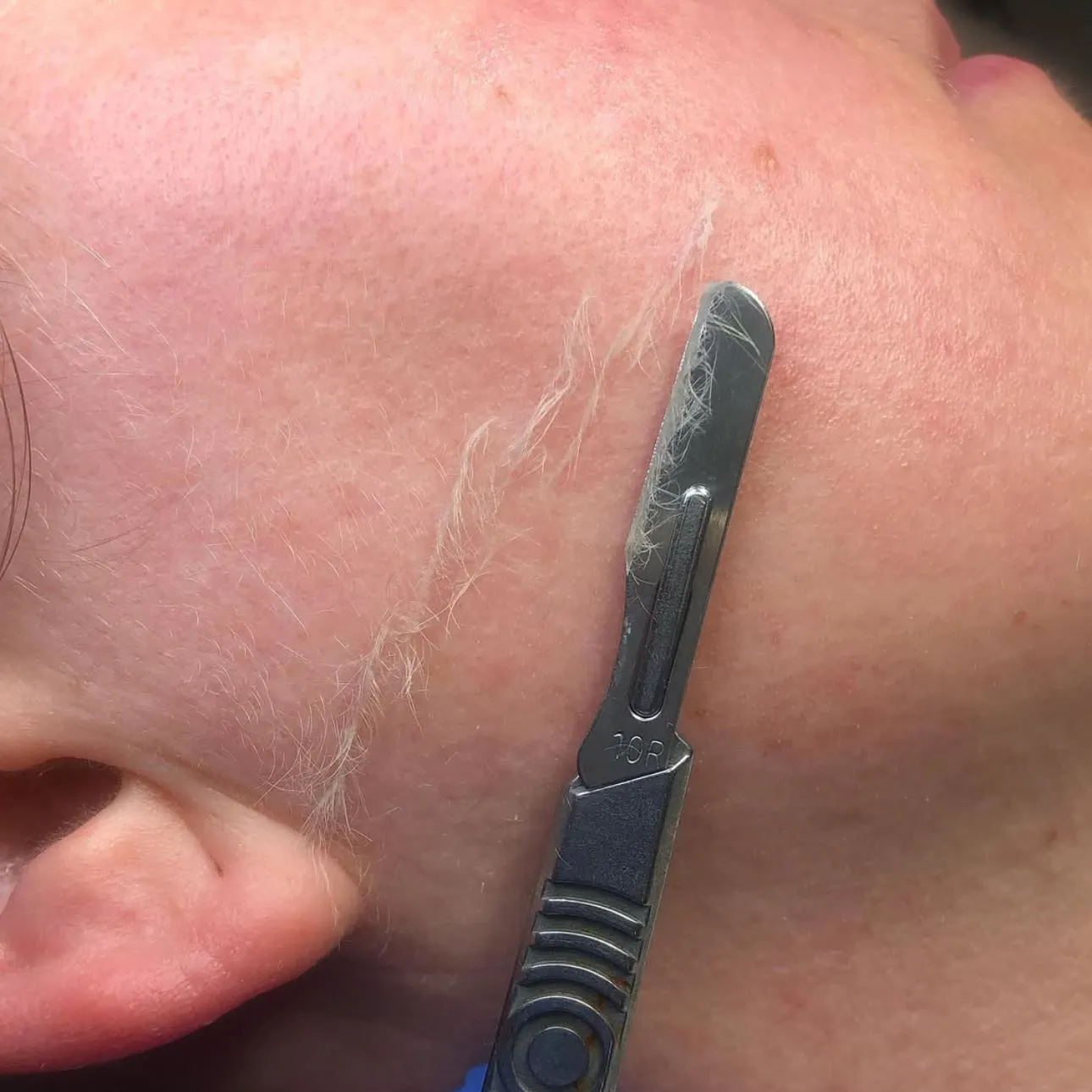
| 10R “butter blade” scalpel | The gold standard for dermaplaning |
| Assorted blades | Blade selection depending on client needs |
| Blade handle (usually a #3) | Reusable, holds the scalpel blades |
| Isopropyl alcohol | Pre-treatment skin prep |
| Sterile gauze pads | Wipe dead skin cells and debris |
| Nitrile gloves | Hygiene and grip |
| Sharps container | Legal requirement for blade disposal |
| Cooling/calming gel | Soothes sensitive skin post-treatment |
| SPF 30+ or 50+ | Absolutely essential after exfoliation |
Salon Tip: Invest in a quality LED magnifying lamp. You need to see every pore, every blemish, every layer of facial hair, and every cue that says, “Maybe today’s not the day to treat this skin.”
What to Look for in a Training Provider
Not all training courses are created equal. Some are just beauty industry fluff dressed up in a PowerPoint. Here’s what to ask before you sign up:
Checklist for Choosing a Course
- Is it nationally recognised or accredited?
- Does the trainer have experience in beauty services or dermal clinicians on staff?
- Are models or real clients provided, or do you need to bring fellow students or additional students?
- How much hands-on training and hands-on experience is included?
- Are you assessed on a practical skill with real feedback?
- Do you get a certificate on completion that’s insurance-friendly?
- Are flexible learning options, flexible credit payment plans, or affordable finance options available?
- Is there a dynamic group training environment or one-on-one mentorship?
If you’re weighing up whether dermaplaning training is the right next step, you’re not alone.
More Popular Than Ever
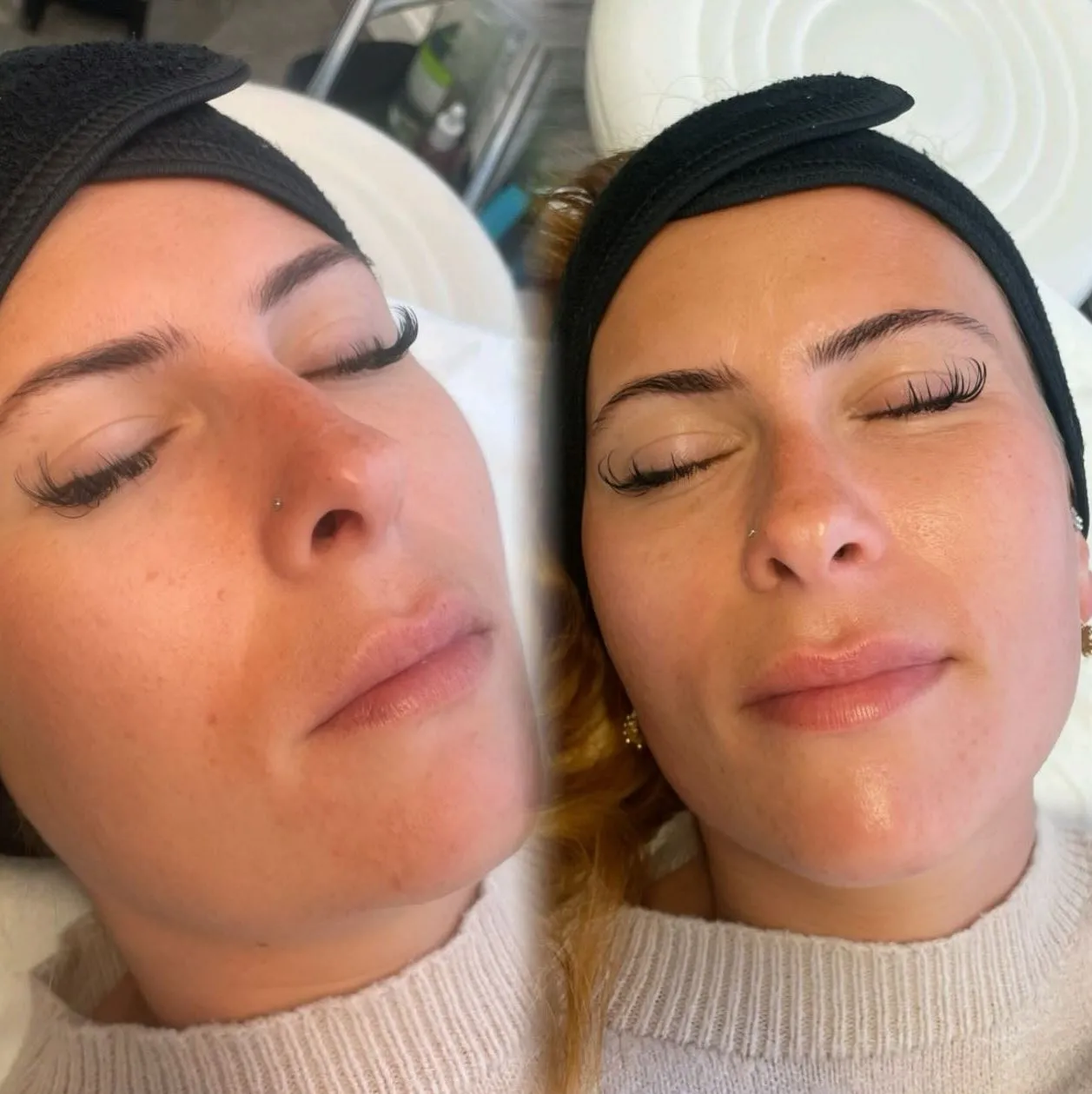
In 2025, exfoliating skin treatments are booming in the ever-changing beauty industry. According to new beauty therapy student trend reports, non-invasive services like dermaplaning are growing by 22% year-on-year, thanks to:
- Skin minimalism and the desire for brighter skin appearance
- Social media showcasing smoother skin and brighter complexion results
- Clients seeking gentle alternatives to chemical exfoliants for sensitive skin types
- Professional skincare therapists combine it with LED, BB Glow or enzyme facials
Clients love it for the immediate radiant skin and smoother texture. Beauty professionals love it because it’s an advanced service that boosts bookings with low overhead.
Real Talk: The Risks of Bad Training
I had a client come in once with scarring down her cheeks from a dodgy backroom dermaplaning session. The culprit? Cheap training, no understanding of facial veins and the wrong blade for her skin type.
Bad training can result in:
- Scratches, abrasions or even scarring
- Infections or the spread of bacteria
- Post-inflammatory hyperpigmentation in sensitive skin
- Damaged skin barrier especially in clients with compromised skin types
Dermaplaning might look easy in video tutorials but it’s a precision technique that demands advanced skincare knowledge and confident knowledge of treatment protocols.
Before You Treat Clients, You Should…
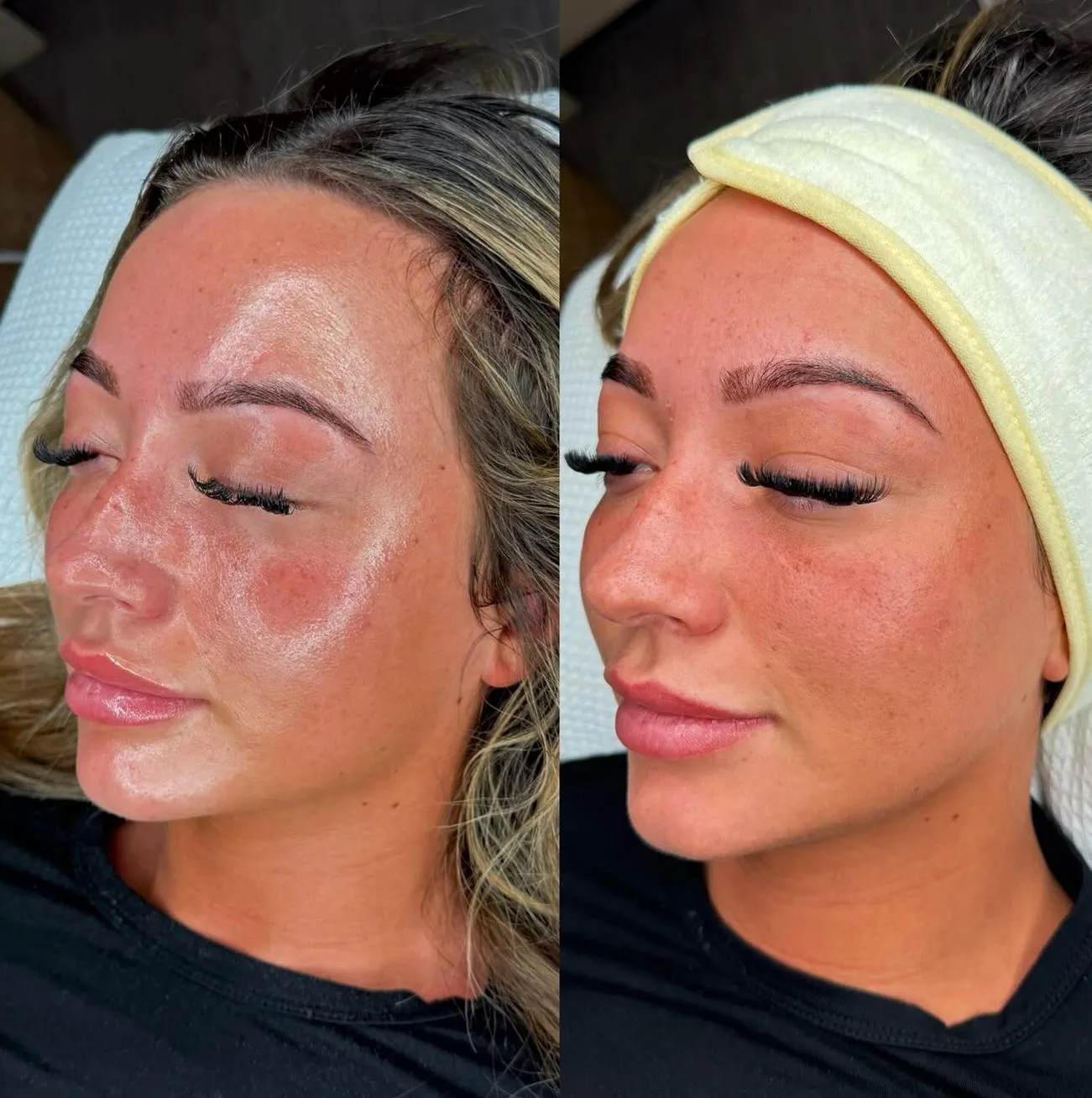
- Practice on models or real clients with supervision
- Have professional indemnity and public liability insurance
- Ensure your beauty practice meets local hygiene and safety standards
- Have a structured treatment protocol and a theoretical understanding of facial
- Know how to customise for sensitive skin types and acne scars
Because real pros know: it’s not just about what you can do, but what you shouldn’t.
Let’s be real—dermaplaning training can be a game-changer if you’re looking to offer advanced services without needing a medical license.
2026 Insight: Is Dermaplaning Training Actually Worth It?
Dermaplaning has moved well beyond a social media trend and is now firmly positioned as a high-demand, results-driven treatment in Australian skin clinics. In 2026, training providers report continued growth in enrolments as therapists look to add low-downtime, high-impact services to their menus without crossing into medical territory. Clients love dermaplaning for its instant smoothness, brighter complexion, and improved product absorption, while professionals value it for its flexibility and strong return on investment. However, industry feedback is clear: outcomes depend entirely on the quality of training, skin knowledge, and strict adherence to hygiene and consultation protocols.
What we’re also seeing is a shift toward treatment pairing rather than standalone services. Clinics that achieve the best long-term skin results combine dermaplaning with structured exfoliation and recovery-focused treatments, rather than relying on one technique alone. This is why many professionals benchmark their protocols against established services such as microdermabrasion at The Facial Hub, which highlights the importance of controlled exfoliation, correct client selection, and barrier awareness. The takeaway for anyone considering dermaplaning training? It’s a powerful skill — but only when backed by solid education, hands-on practice, and respect for skin biology.
Final Thoughts
If you’re a skincare professional or beauty therapist wanting to upskill, or a student starting a beauty career, dermaplaning is a great option. It’s flexible, online and a great return on investment.
When paired with hands-on practice, assessment material and a supportive learning experience it can open doors to skincare clinics, dermatology clinics and advanced skincare services.
But like anything in this industry, it only works when you do. Choose the right training centre, download the training package and get hands-on training with experienced instructors. It’s one of the few advanced skincare services that gives you smoother skin, brighter complexion and serious client trust—when done properly.
FAQ
How much does a dermaplaning course cost in Australia?
$500-$1,500. Prices vary depending on inclusions like hands-on training, certification classes, downloadable training package and insurance compatibility.
Can I do dermaplaning on pregnant clients?
Be cautious. Some clients are more sensitive. Always do a client consultation and get medical clearance if needed.
Is dermaplaning suitable for sensitive skin?
Not always. Sensitive skin types and those with compromised skin barriers may react badly. Client selection and assessment are key.
What makes a course professional?
Look for courses with hands on experience, real client work, unlimited access to tutorials, comprehensive training and certification on completion.
Enzyme peels, LED facials, hydrating masks and even BB Glow. It adds real value to your beauty business.

Related Posts
Where Is the Best Place to Fly Over the Great Barrier Reef?
How Long Do Eyebrow Tattoos Last?